The Community Hub
Castell'Azzara
Castell'Azzara · Southern Tuscany
A place to belong in the Tuscan hills
A bilingual community living in and around a former mining village. Nine nationalities, one shared way of life.
50+
People
9
Nationalities
2020
Established
EN / IT
Bilingual
What this is
Neighbours who chose the same hillside
Being clear about this early saves everyone time. We are not an ecovillage, a commune, or a spiritual community, and we are not one property with one set of rules. We are around fifty people from nine countries who each made their own move to the same corner of southern Tuscany, and who live close enough to share the work, the meals and the lifts to the airport.
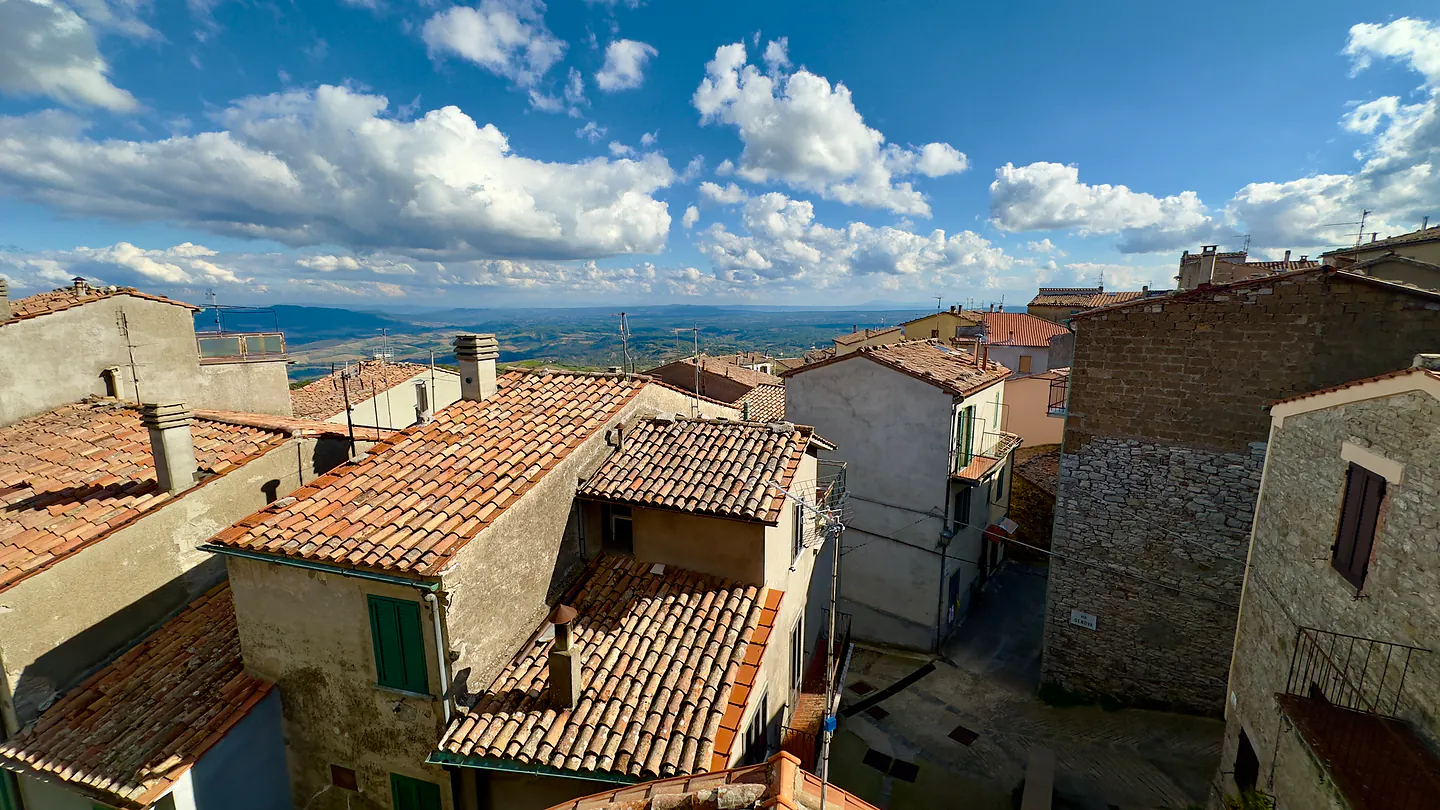
Castell’Azzara — rooftops and the hills beyond
Secular, and deliberately so
No teacher, no doctrine, no shared belief you are expected to arrive with. What people have in common is a preference for a slower, more self-sufficient life, not a philosophy.
Your own house, your own life
Everyone lives in their own home in and around the village. There is no common purse and no obligation to take part in anything. Involvement is a choice you keep making.
Not a retreat centre
There is no programme to book and nothing to sign up for. Visitors come to see whether the place suits them, not to attend something.
A working village, not a resort
Castell’Azzara has its own life — families who have been here for generations, a Thursday market, a shop, two butchers and a medieval festival that has nothing to do with us. We live alongside that, not instead of it.
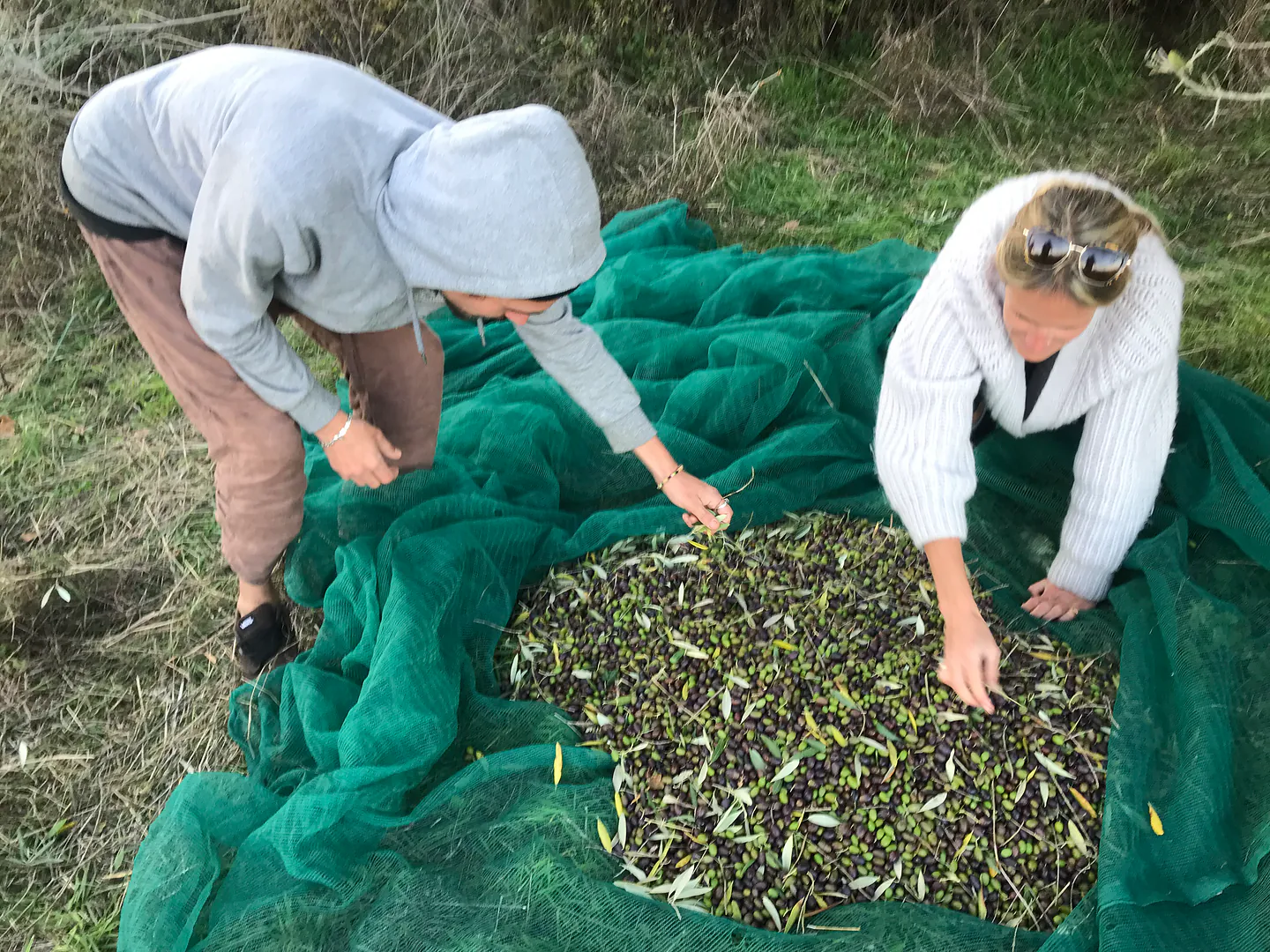
Sorting olives on the nets, November
Two ways in
Come and look, or start working out the practicalities
Almost nobody moves here without visiting first, and almost nobody visits without a lot of questions afterwards. Both are catered for.
Plan a visit
Where to stay, when to come, what there is to do, and who to speak to when you arrive. Spring and early autumn are the kindest months; August is hot and the village is busy with returning families.
Think about moving
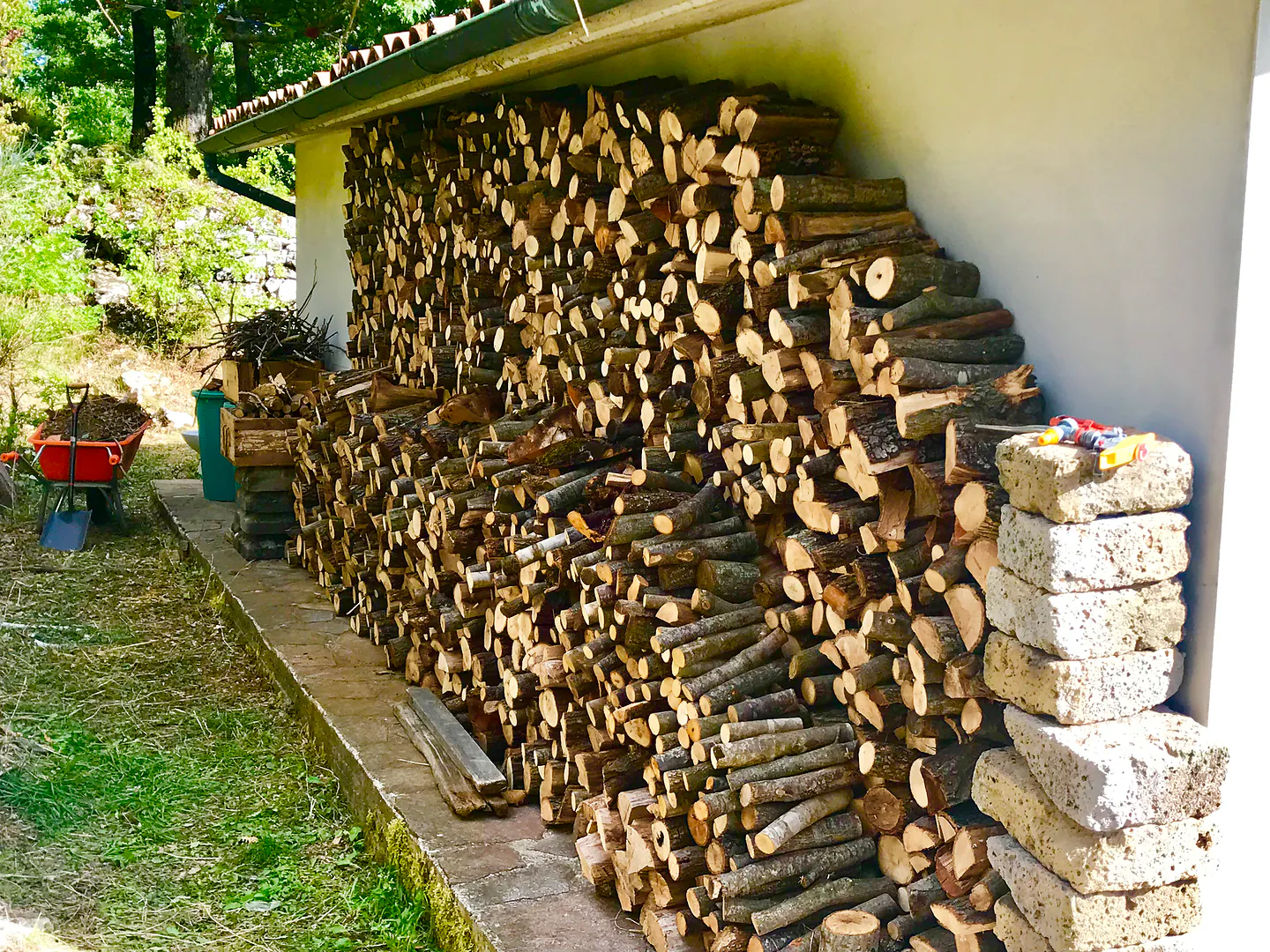
Housing, residency, healthcare, schooling, the cost of wood and the state of the roads in February. The unglamorous answers, written down by people who have already been through it.
What we've written down
The things nobody tells you, already worked out
Rural Italy is mostly a long series of small unknowns. Over the years we have written ours down — useful if you are weighing up a move, and just as useful if you have lived here for five years and still cannot remember which Friday the market in Acquapendente is.
Medical
Six hospitals with emergency rooms within ninety minutes, with addresses and numbers. How the Guardia Medica works if you are not yet resident. The dentist, the osteopaths, the English-speaking ones.
Practical
Market days town by town, the nearest gas station, where to buy wood in September and who to call, second-hand shops, and the emergency numbers on one line.
Getting around
Which airport, which train station, the local taxi driver’s number, where to rent a car, and why an electric bicycle is the sensible choice in these hills.
Animals
Two vets people actually use, one of whom speaks English, German and Italian — plus the larger clinic an hour away for anything serious.
Housing & residency
Buying and renting here, the immigration process, how the Italian health system treats you before and after residency, and what it all costs.
Waste & utilities
Collection days, what goes where, glass, and the small local rules that are obvious to everyone who grew up here and to nobody who did not.
For people who live here
The everyday side of the site
Not everything here is for newcomers. This is the part you come back to on a Tuesday when you need a number, a date or a lift.
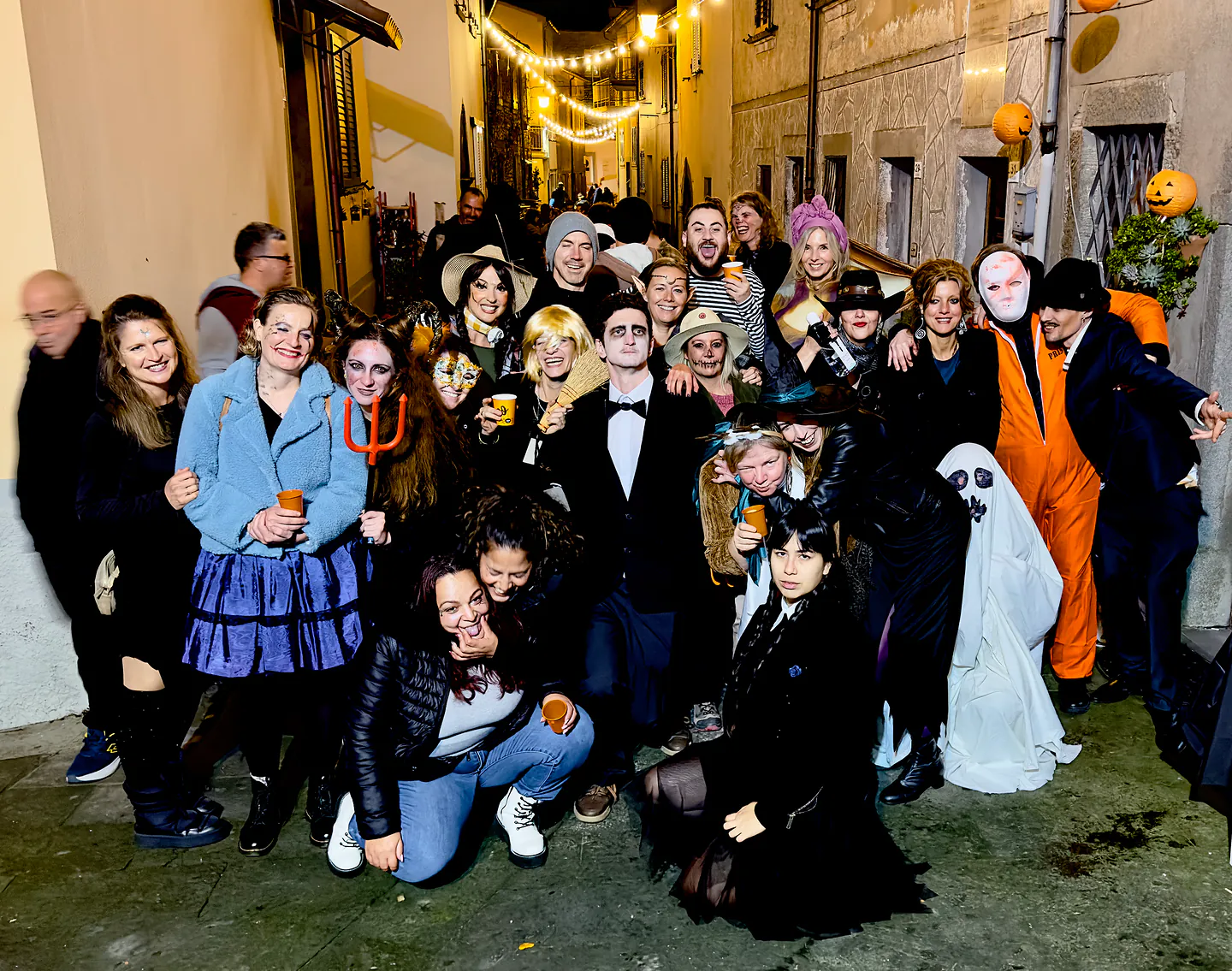
The village street on a party night
Collection days
What goes out when, and what goes where. Glass, general, and the small local rules that are obvious to everyone who grew up here.
Lifts and marketplace
The community WhatsApp groups — Lifts needed or offered for runs to the airport or the station, and Marketplace for selling, donating and finding things.
Who to call
The doctor, the dentist, the vets, the taxi, the three men who deliver wood in September. Numbers, not a search box.
Riserva Naturale Monte Penna
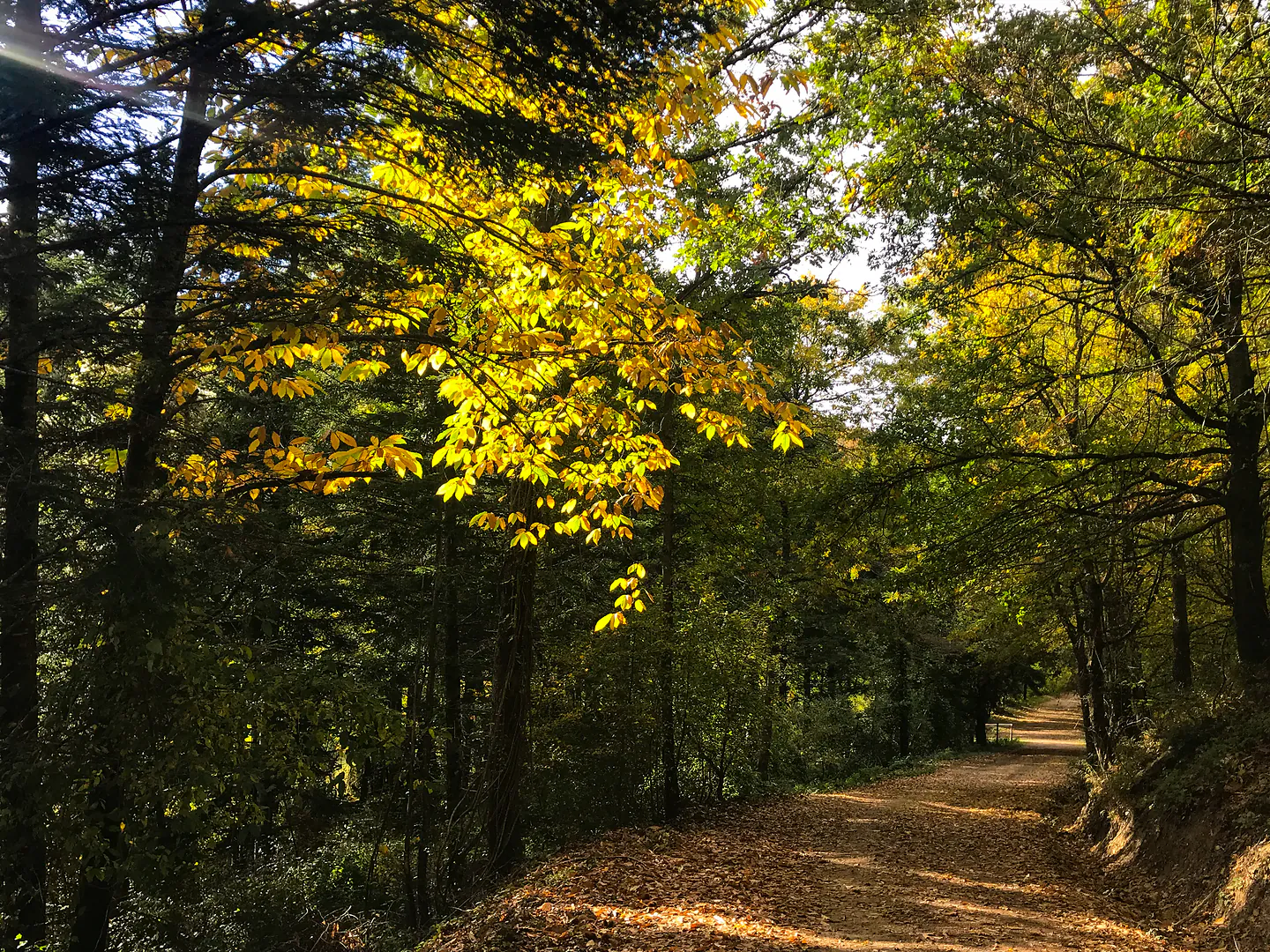
Marked trails through old oak and chestnut forest
Routes across the mountains that ring the village, with spring water along the way. Wild boar and roe deer are common; the rare Lanner falcon nests on the cliffs. Each route has a map, a description and a GPX file you can load onto your phone.
In the village
Eleven places to spend your money locally
Two butchers, the alimentari, the bars, the pub, the Coop. A directory of the businesses that keep a village of this size alive — useful when you arrive, and the reason the village is still here at all.
“We came for the hills and the silence. We stayed for the bread, the neighbours, and the slow afternoons.”
Elena M., resident since 2021
